


I’m not sure why we planned such a short stay on Cape Cod. After more than six years as full‑time RVers, you’d think we’d have mastered the art of giving ourselves enough time in a place. But this time, spontaneity and flexibility slipped right through our fingers.
We stayed at Thousand Trails Gateway to Cape Cod, part of our membership. It’s possible that when Carl made the reservation, additional dates simply weren’t available. Oh well—c’est la vie.
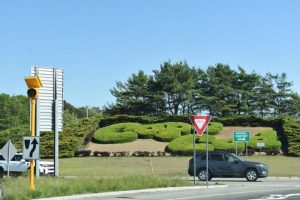
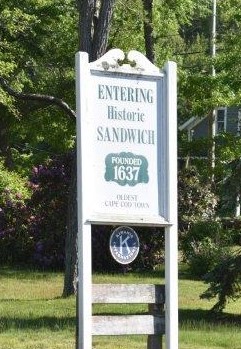
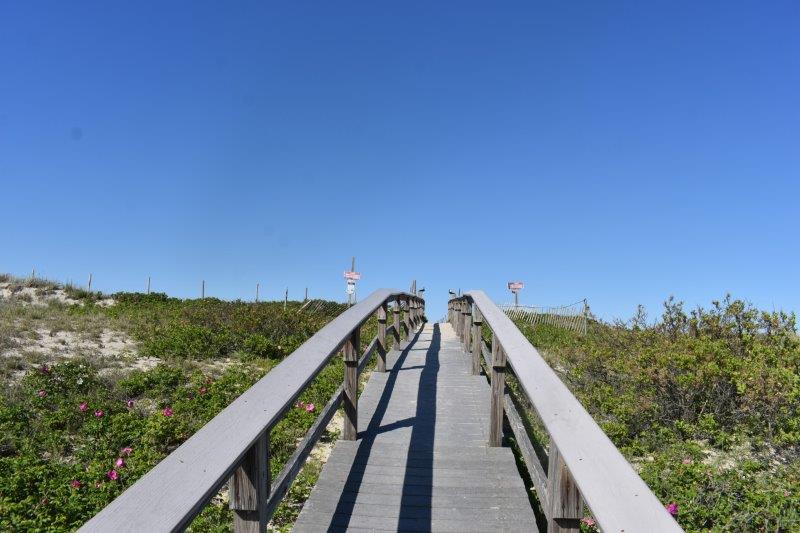
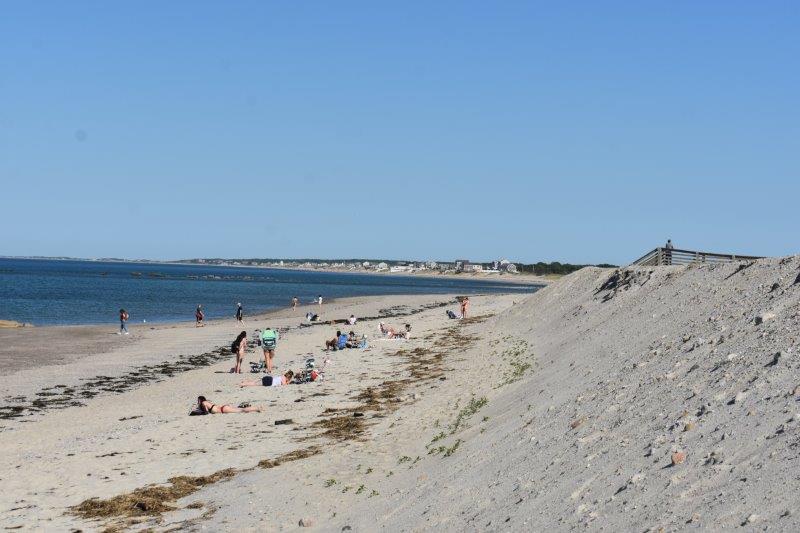
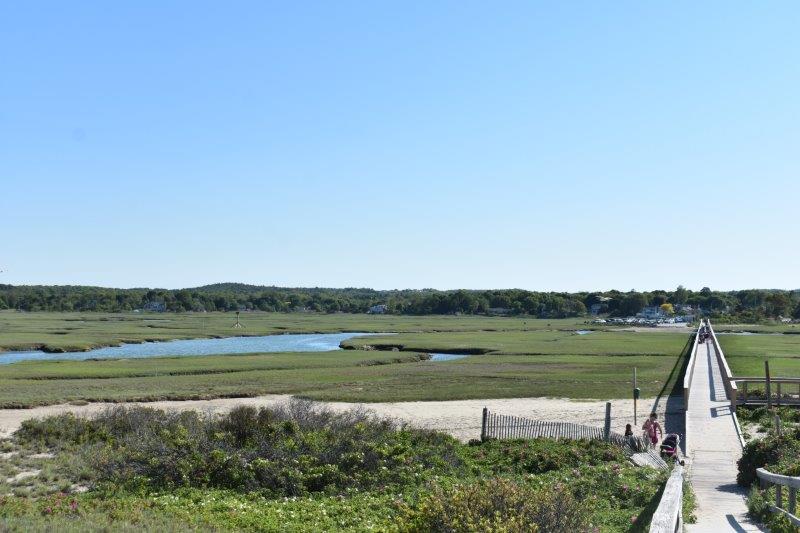
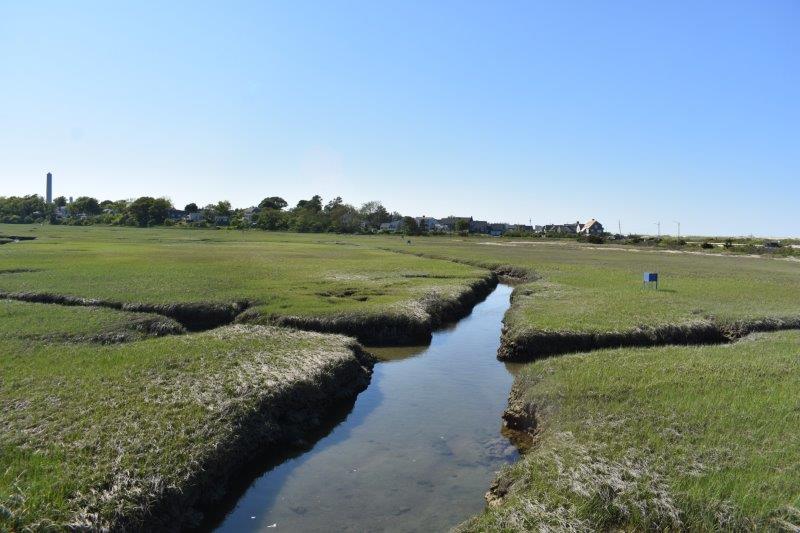
We arrived on a Wednesday (leaving Friday) after two brutal days of driving I‑95 through New York, Connecticut, and Rhode Island. Once we were set up, we headed into Sandwich, settled in 1637 and considered the oldest town on Cape Cod. It sits at the entrance of the Cape Cod Canal. Being early in the season and late in the afternoon, most places closed at 5:00 p.m., but we did find the Sandwich Boardwalk, a long wooden walkway stretching across salt marshes and tidal creeks to Town Neck Beach. Peaceful, scenic, and tucked beside a small neighborhood, it was a lovely first impression.
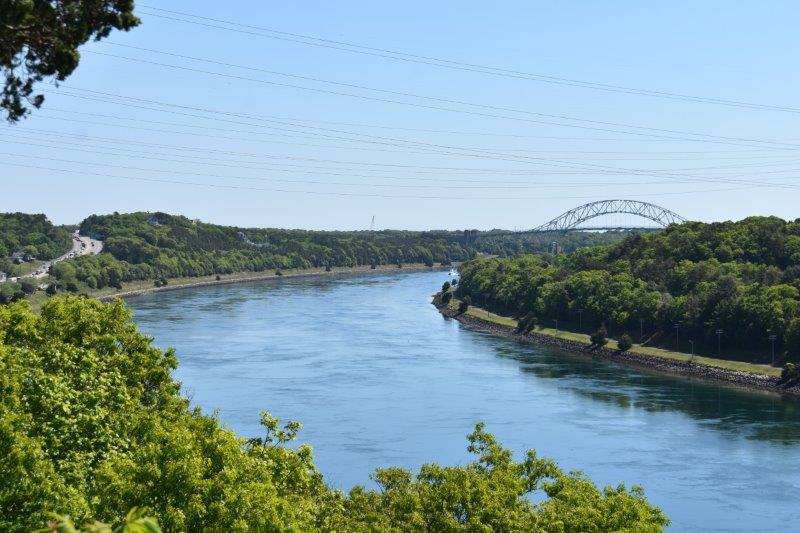
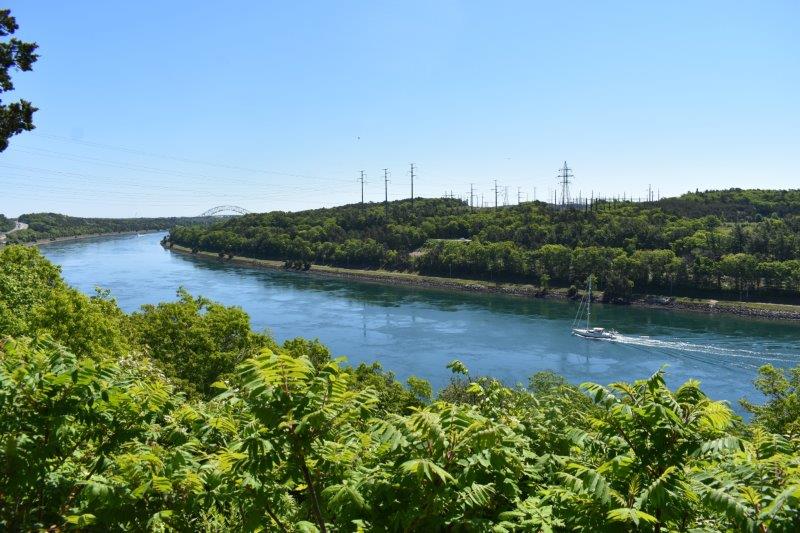

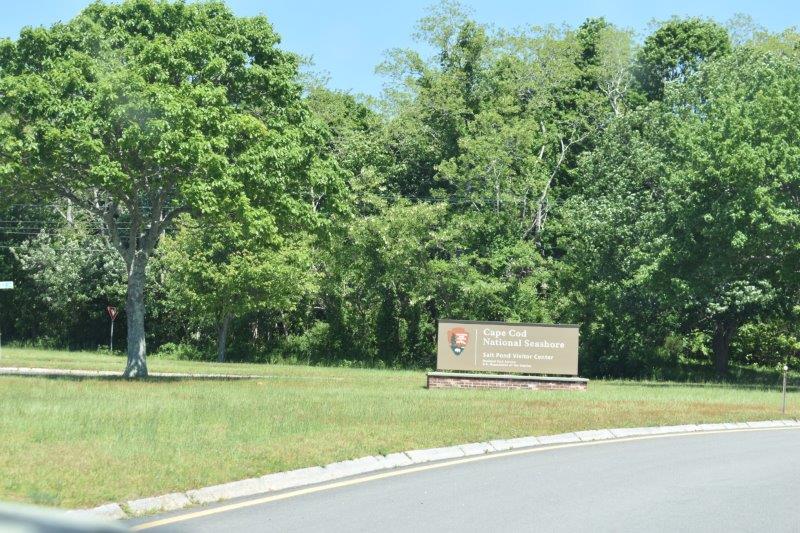
The next day, we drove to the Cape Cod National Seashore. Our first stop was the Salt Pond Visitor Center, where we watched a film, picked up a map, stamped my Passport book (the National Parks version—not my actual passport!), and walked a couple of short nature trails.
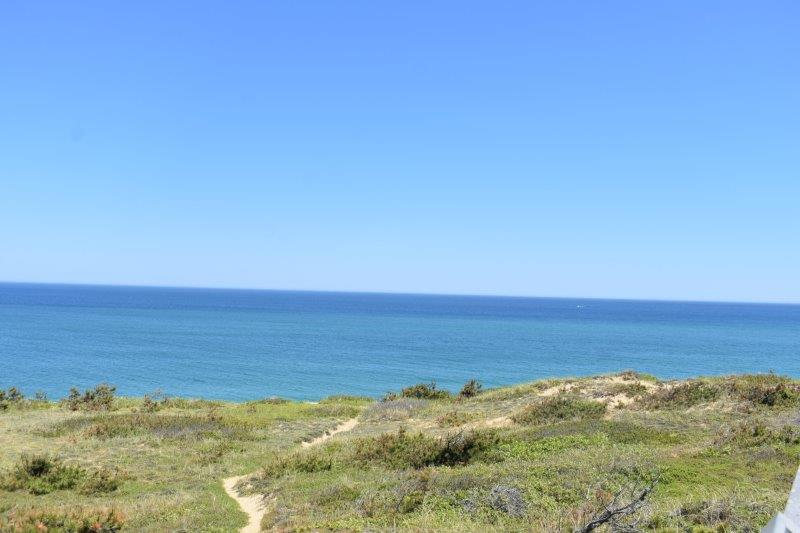
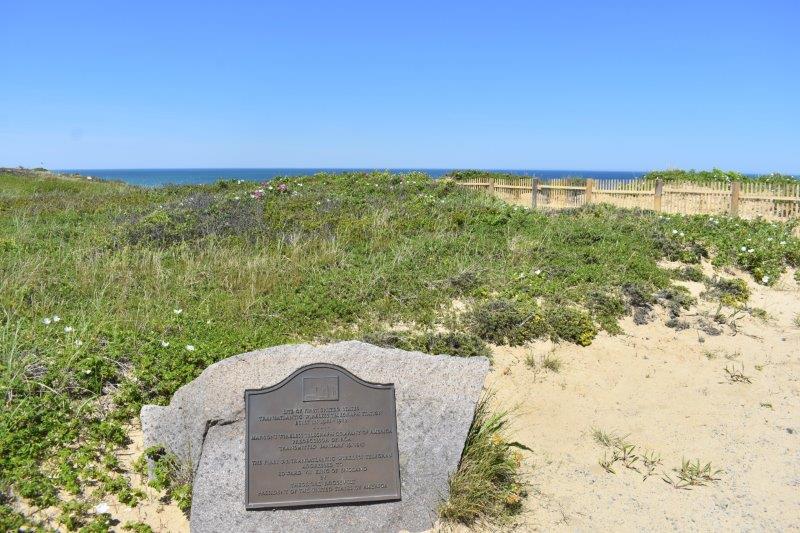
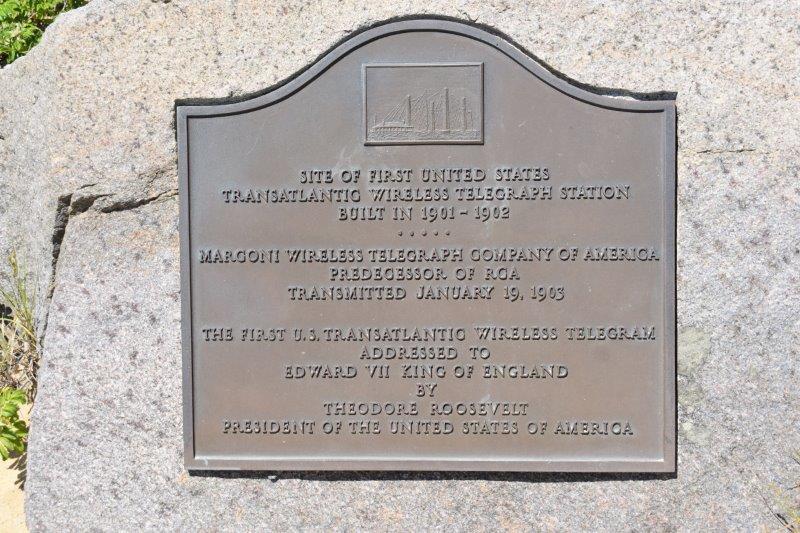
From there, we continued to the Marconi Station Site, now mostly a marker commemorating the first U.S. transatlantic wireless transmission in January 1903. The station operated until 1917. The overlook offered a stunning view of the coastline—towering dunes, steep cliffs, and the endless Atlantic.
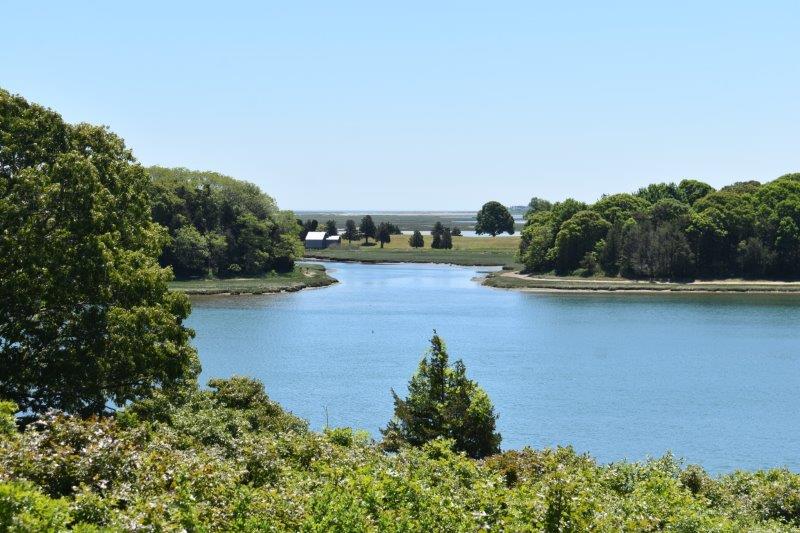
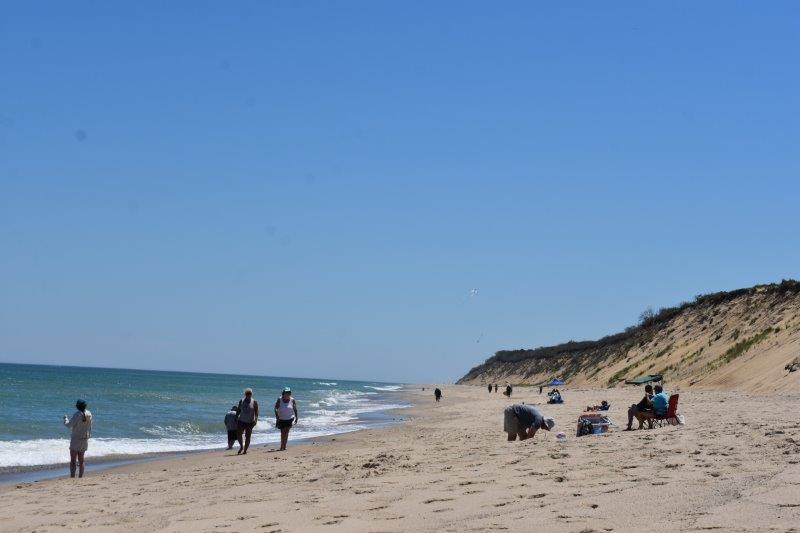
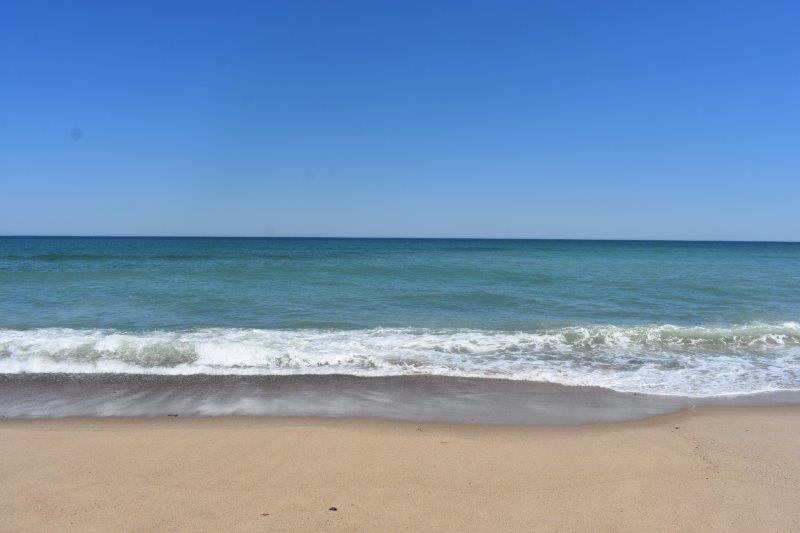
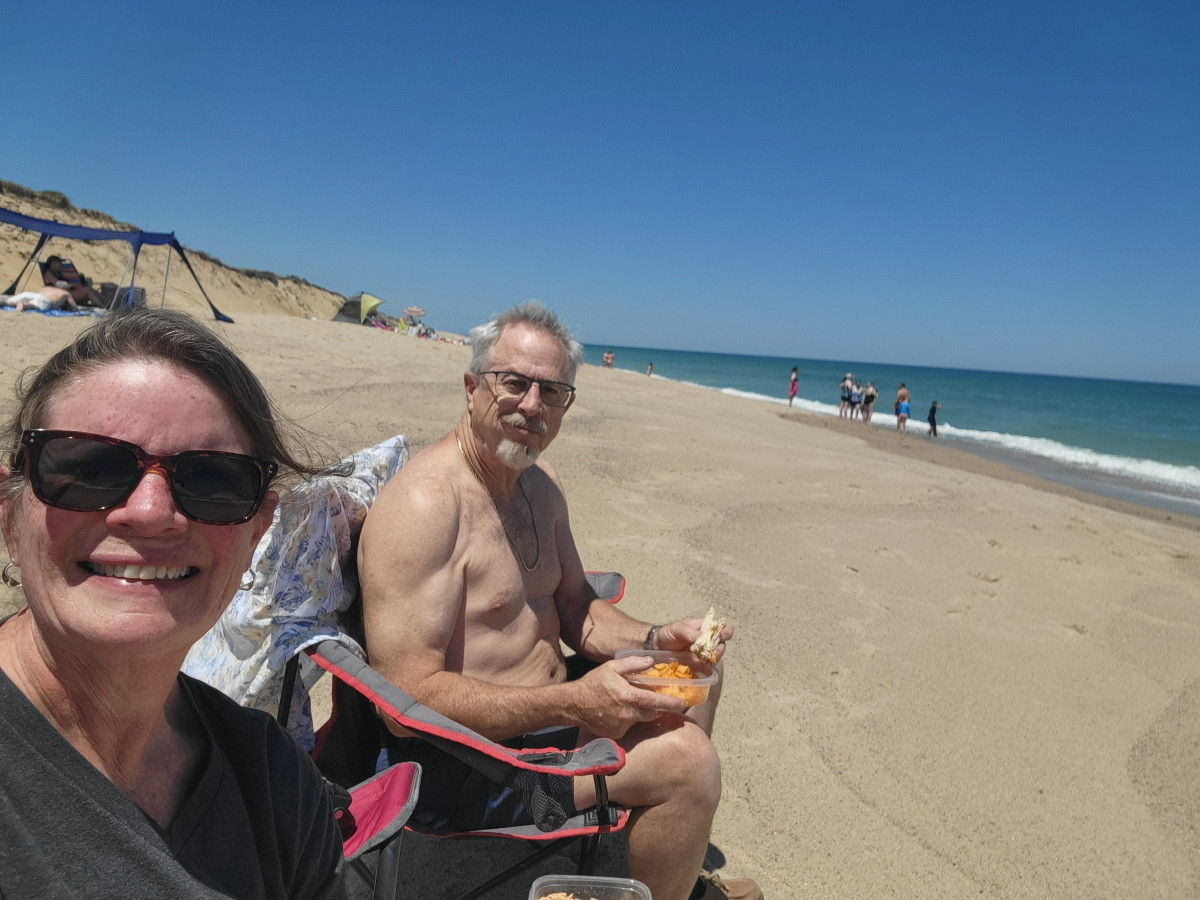
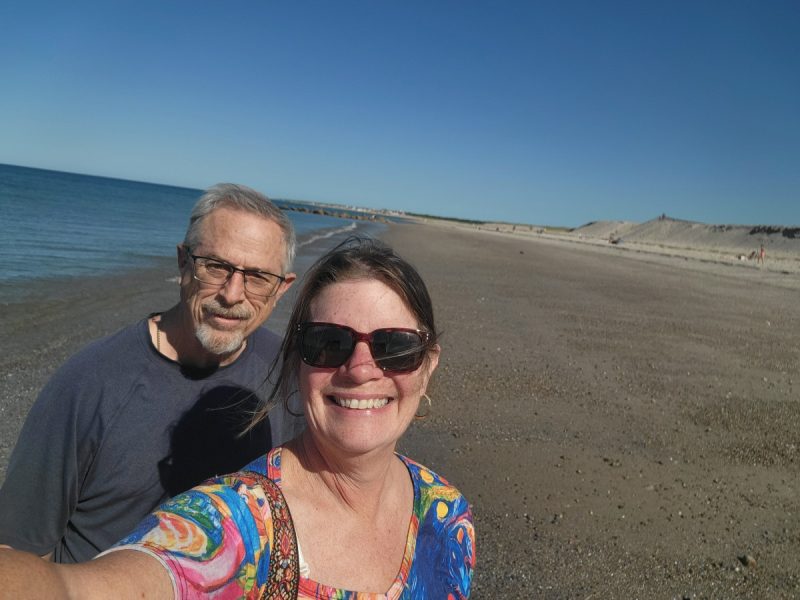
Further along the Seashore, we chose a beach for our picnic lunch. With our bag chairs and cooler, we enjoyed the shoreline, watched kites dance in the sky, spotted someone scuba diving in the chilly water, and listened to children playing nearby. The sun was warm, the breeze gentle, and the beach lightly populated. A perfect lunch date.
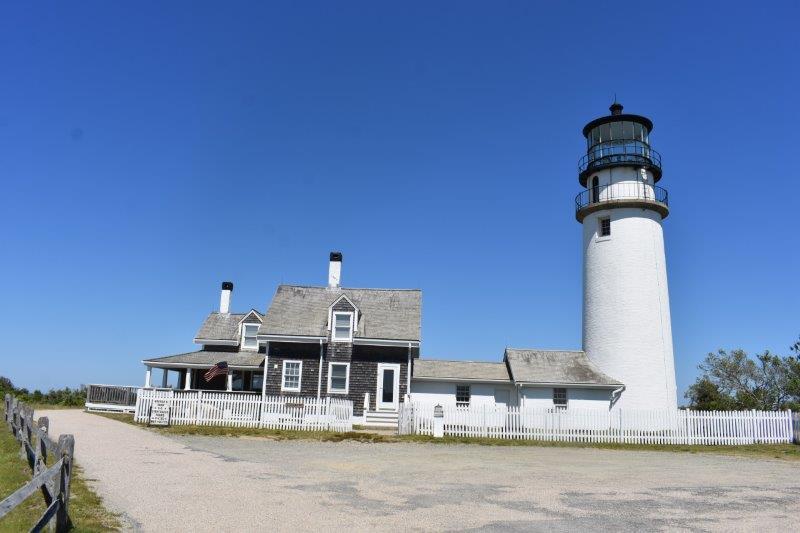
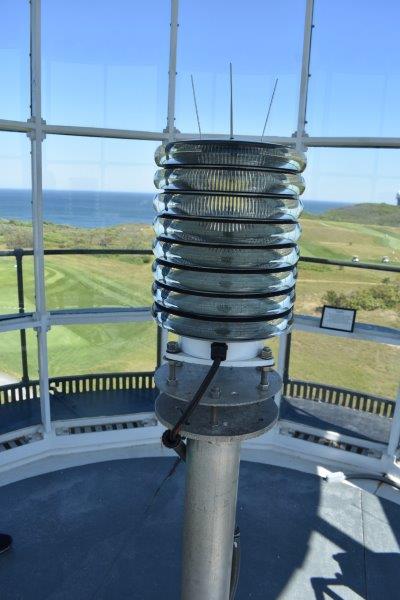
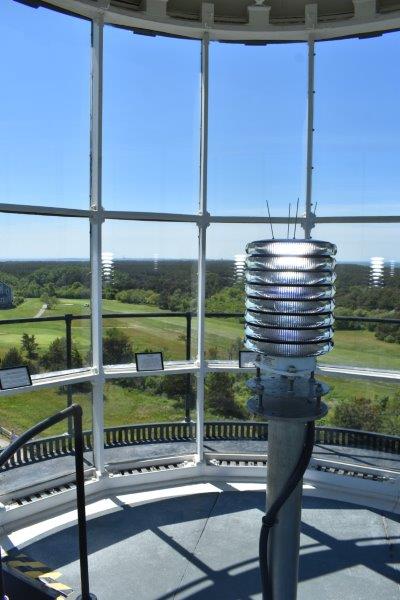
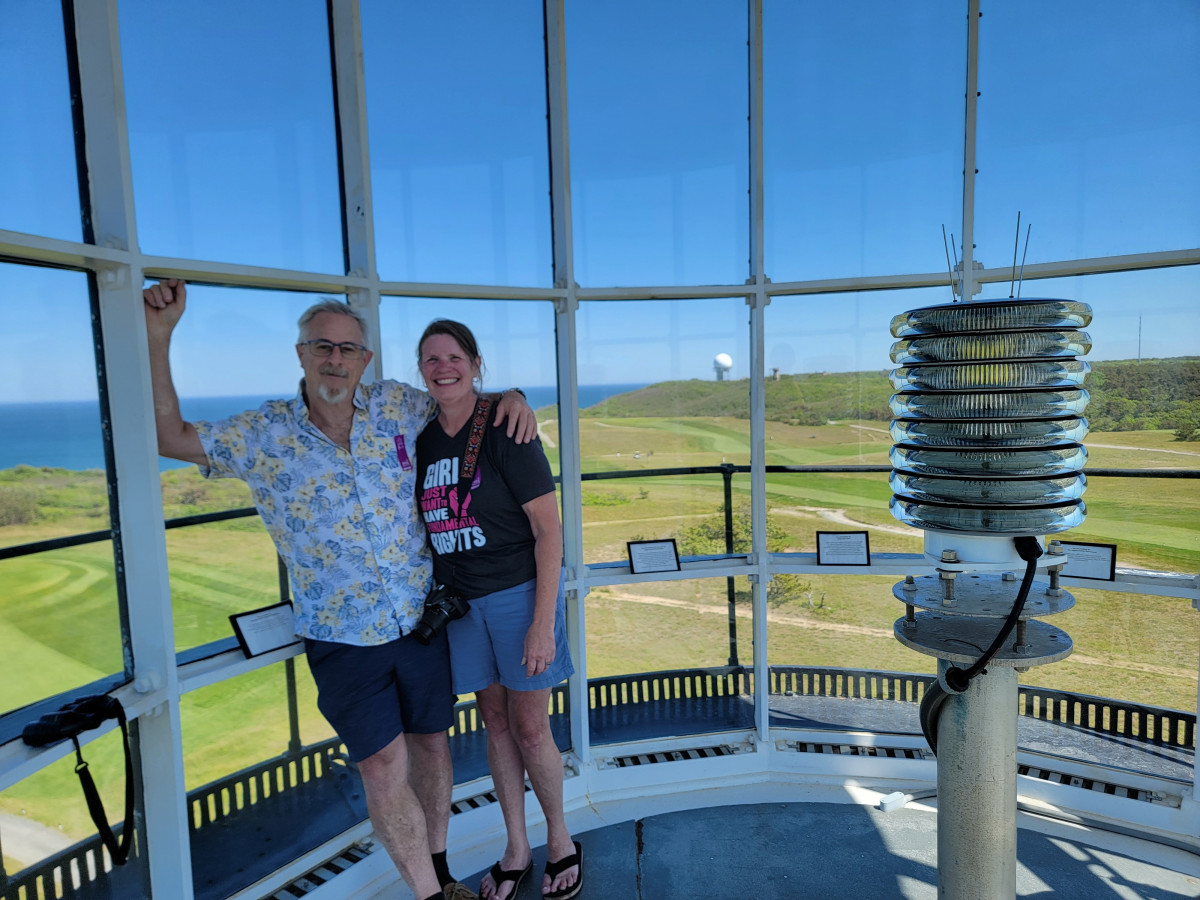
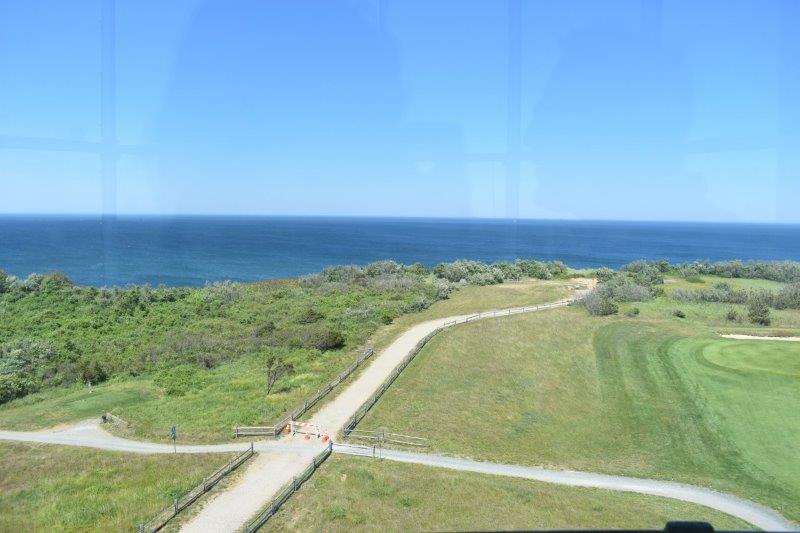
Next, we visited Highland Light, which now sits—quite literally—in the middle of a golf course. The current lighthouse was built in 1857, replacing earlier versions from 1797 and 1831. It’s the oldest and tallest lighthouse on Cape Cod at 66 feet. Due to erosion, it was moved back 450 feet in 1996, landing squarely in the seventh fairway. Yes, golf balls hit it regularly, though not high enough to damage the lantern room.
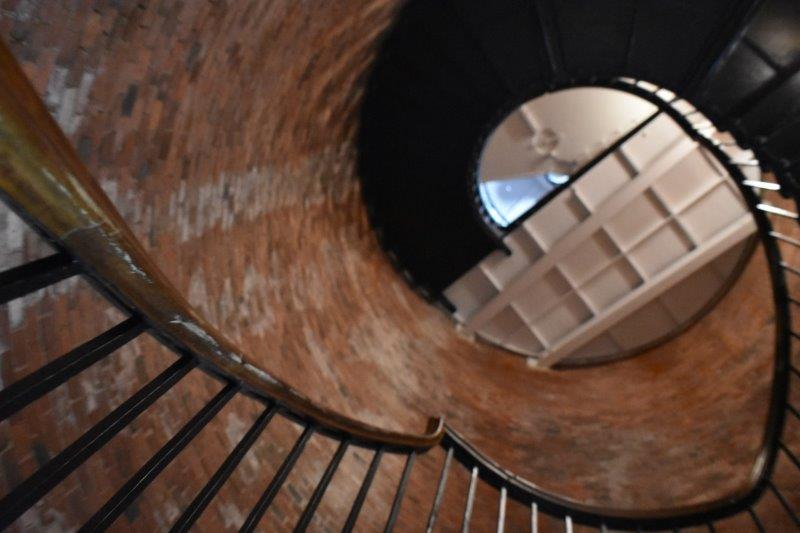
We toured the museum and climbed the lighthouse’s 69 steps—though the last 20 are more like a ladder. Carl and our guide were amazed I made it up and down safely. I’ll admit: the height, the narrowness, and being able to see all the way down made it a bit nerve‑wracking.
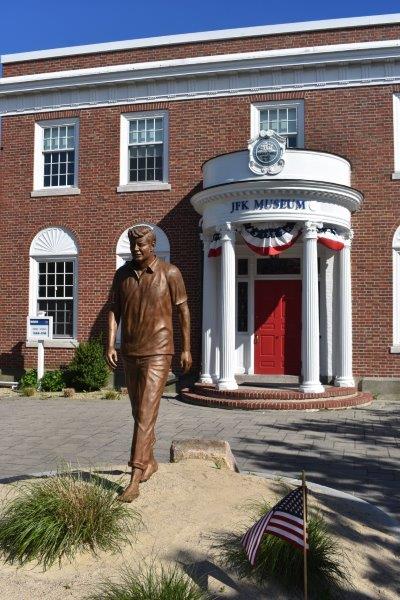
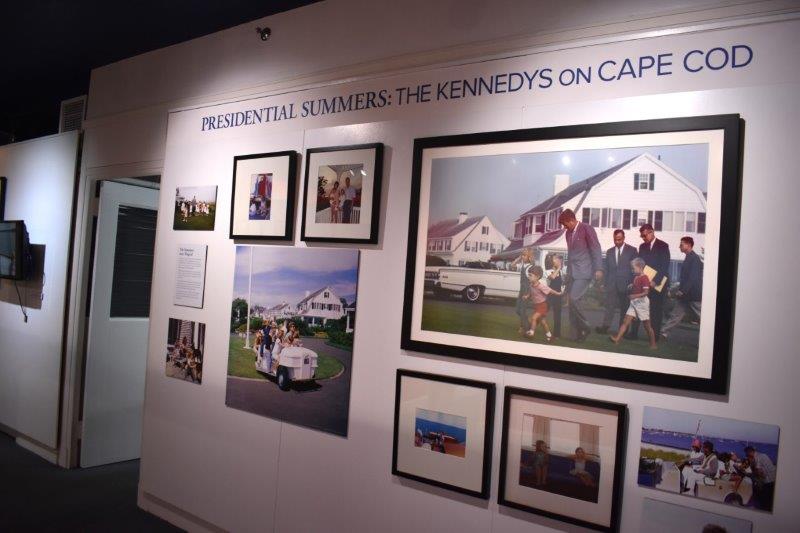
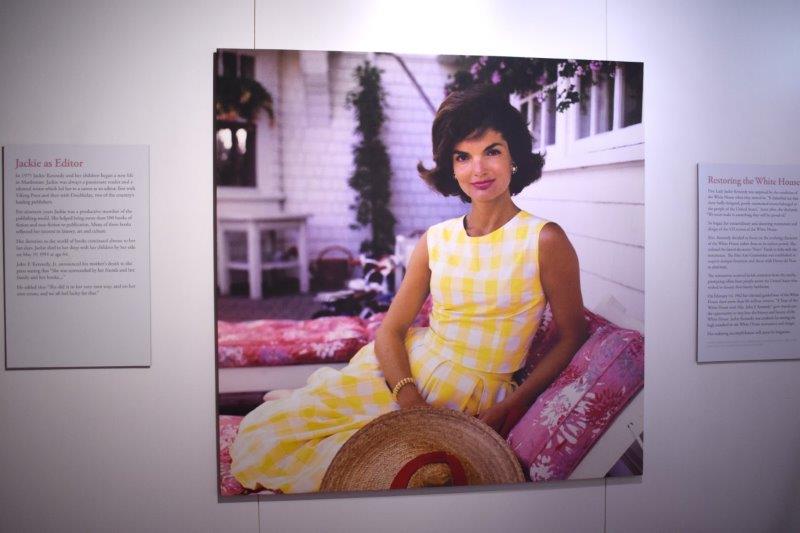
We wanted to continue all the way to Provincetown, but we also hoped to visit the JFK Museum in Hyannis, and the afternoon was slipping away. We arrived 20 minutes before closing. Although there’s normally an admission fee, the staff kindly let us do a quick walkthrough at no charge. We’d both love to return—there were films to watch and many photographs to linger over. Jackie Kennedy was so effortlessly photogenic.
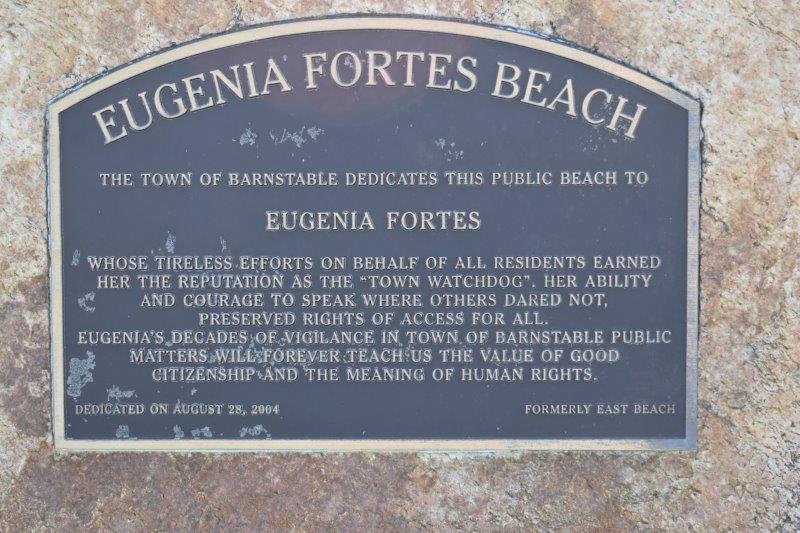
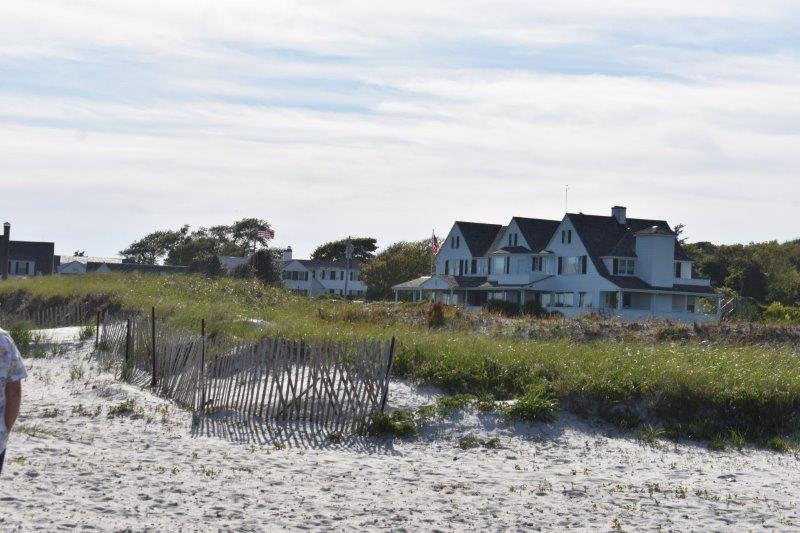
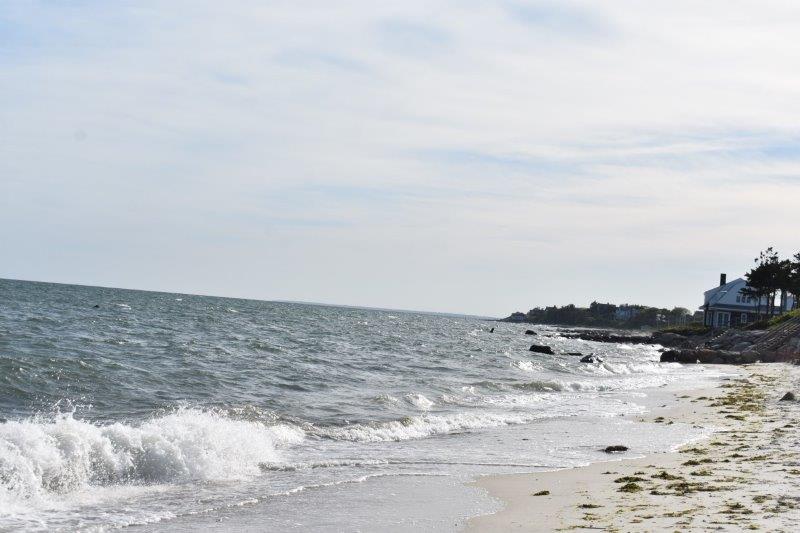
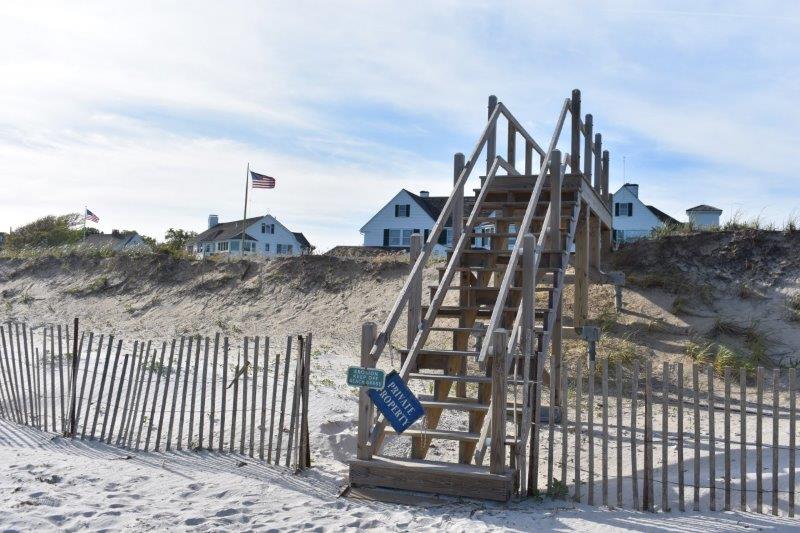
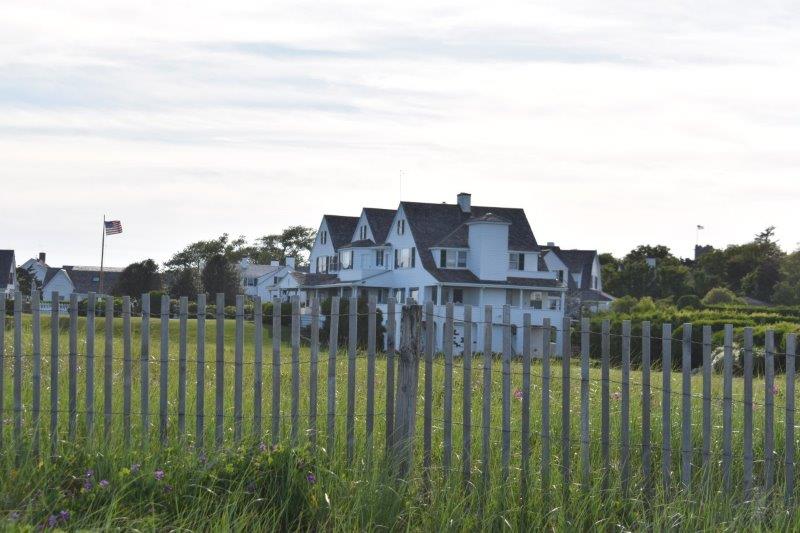
As the museum closed, we chatted with the staff—friendly, knowledgeable women who clearly loved their work. While in Hyannis, we also located the Kennedy Compound neighborhood and found a small public beach. Yes, we were those tourists walking the shoreline in front of the compound and snapping a few photos. We were the only ones on the beach—cold, blustery winds and a moody, churning ocean kept everyone else away. Still, there was something nostalgic about standing where JFK once played and sailed.
Cape Cod carries a deep sense of history—not only because of the Kennedys, but because of the generations of fishermen, families, shipwrecks, rescues, and coastal communities that shaped this place. There was a strong feeling of PLACE and continuity.
If you go, give yourself more than one day. Cape Cod deserves at least three or four days for historical exploration—and a few more simply to enjoy the seashore.


It sounds like you had a lovely time despite being a bit rushed. 🙂
Thank you! Even after six years of full-time RVing, we are still learning to slow down and enjoy more time in one place. Always a learning process!